
It’s not the conversation you ever imagined having. You found a text message. Or maybe you saw a photo online. Or your child just sat you down and said it outright: "I’m a sex worker." Your first reaction? Shock. Maybe shame. Maybe fear. You’re not alone. Thousands of parents across the world have been here-stunned, confused, and unsure where to turn. The truth is, your child is still the same person. They haven’t changed. What changed is your understanding of their life. And now, you have a choice: let fear drive your response, or choose connection.
Some people turn to sites like euro girls escort london out of curiosity, thinking they’ll understand what this world looks like. But real understanding doesn’t come from scrolling through photos or reading ads. It comes from listening. From asking questions without judgment. From recognizing that sex work, like any job, is shaped by circumstance, survival, and sometimes, agency.
They’re Not Broken
The biggest mistake parents make is assuming their child is trapped, exploited, or lost. That might be true for some. But for many, it’s simply a job. A job that pays well. A job that offers flexibility. A job that lets them pay rent, support family, or fund education. In cities like London, Berlin, or even Auckland, adult sex workers-men, women, nonbinary people-are choosing this path because it works for them. They’re not victims. They’re professionals.
One mother in Wellington told me her daughter left a corporate job after realizing she was making more in three nights a week as a private escort than she did in a full month at her office job. No coercion. No traffickers. Just a smart person using her skills, boundaries, and time to build financial freedom.
What You’re Really Afraid Of
Let’s be honest. Your fear isn’t really about the work itself. It’s about stigma. It’s about what people will think. It’s about the old stories you grew up with-that sex work equals degradation, that it’s a sign of moral failure, that it’s something you should be ashamed of. Those stories are outdated. And they’re not yours to carry anymore.
Research from the University of Auckland’s School of Social Work shows that adult sex workers who have supportive families report significantly lower rates of anxiety, depression, and violence. Support isn’t about approval. It’s about safety. It’s about knowing someone has your back, no matter what.
How to Start the Conversation
Don’t accuse. Don’t demand explanations. Don’t say, "How could you?" Start with, "I love you. I want to understand." That’s it. Keep it simple. Let them lead.
Here’s what actually works:
- Wait until you’re calm. Don’t confront them in anger or panic.
- Ask open questions: "What does your work look like?" "What do you like about it?" "What’s the hardest part?"
- Listen more than you talk. Let silence sit. They might need time to trust you.
- Don’t try to fix it. They don’t need saving. They need respect.
One father in Christchurch told me he asked his daughter if she wanted to stop. She said no. He said, "Okay. Then I’ll help you stay safe." He helped her set up a screening system for clients. He taught her how to use a panic button app. He didn’t change her job. He changed his attitude.

The Reality of the Industry
Sex work isn’t one thing. It’s a spectrum. There are street-based workers, online performers, private escorts, cam models, and more. Some work alone. Some work with agencies. Some use platforms like OnlyFans. Others rely on word-of-mouth referrals.
Many of the people you see advertised as "euro girl escort london" or "euro escort girls london" are not from Europe at all. The labels are marketing. They’re used to attract certain clients. The person behind the profile could be from New Zealand, Thailand, Brazil, or anywhere else. The reality is rarely what the ad suggests.
What matters isn’t the label. It’s the person. Are they safe? Are they paid fairly? Do they have control over their hours, clients, and boundaries? If yes, then this isn’t exploitation. It’s employment.
Legal and Safety Considerations
In New Zealand, sex work has been legal since 2003 under the Prostitution Reform Act. That means your child can legally rent an apartment, advertise services, and screen clients without fear of arrest. That’s rare in the world. It also means they have rights: to refuse clients, to set prices, to walk away from unsafe situations.
Encourage them to use safety tools: client screening apps, verified platforms, emergency contacts, and regular check-ins. If they’re working online, help them secure their digital footprint-strong passwords, two-factor authentication, no personal info in bios. You don’t need to be an expert. You just need to care enough to ask, "Do you feel safe?"
What Not to Do
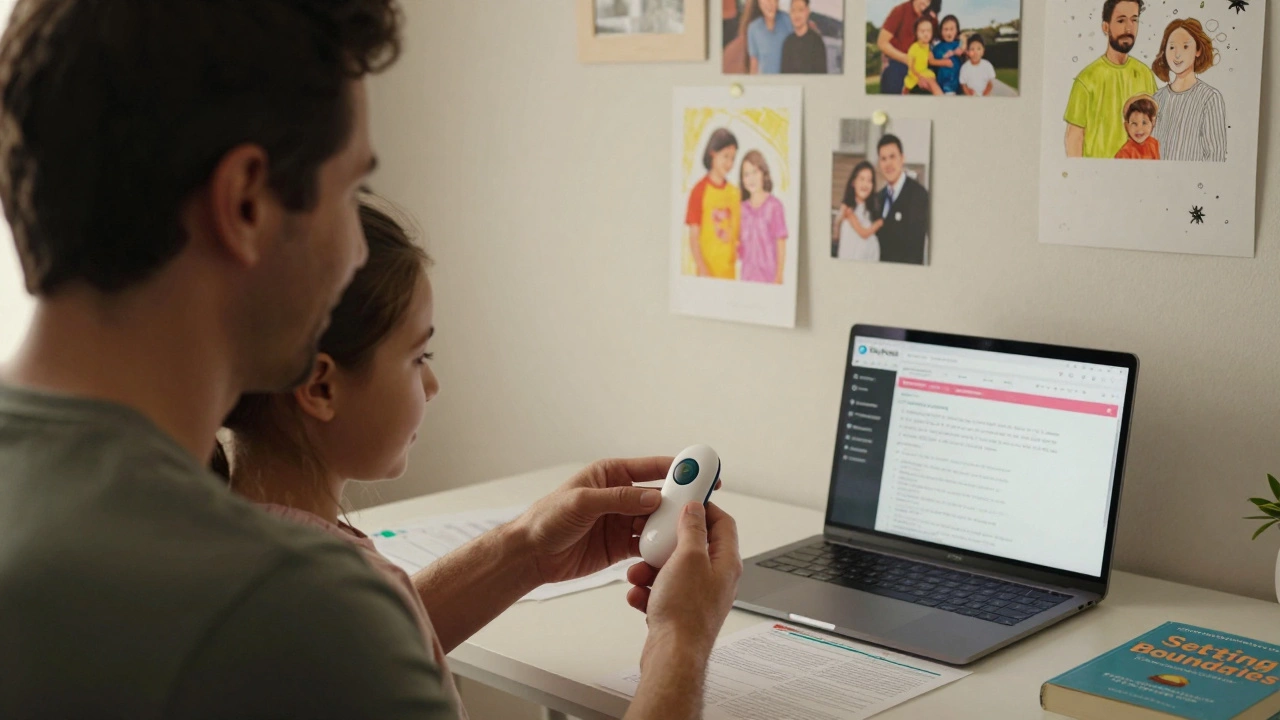
Don’t cut them off. Don’t disown them. Don’t tell them they’re ruining the family name. Those reactions don’t protect them-they isolate them. And isolation makes people vulnerable.
Don’t try to "rescue" them by forcing them into another job. That’s not love. That’s control. If they’re happy, healthy, and in control, your job isn’t to change their path. It’s to walk beside them.
Don’t Google "how to stop my child from being a sex worker." That search will lead you to shame-based blogs, religious groups, and false narratives. Real help comes from harm reduction, not judgment.
You’re Not Alone
There are support groups-real ones-for parents of sex workers. In New Zealand, there’s the Family Support Network for Sex Workers. In the UK, there’s the Sex Workers’ Rights Advocacy Network. Online, there are private forums where parents share stories without fear of being judged.
These aren’t groups that tell you to change your child. They’re groups that help you change your perspective.
What Comes Next
You don’t have to understand everything right away. That’s okay. But you do need to show up. Ask how their week went. Celebrate their wins. Ask if they need help with anything-taxes, rent, therapy, legal advice. Offer practical support, not moral lectures.
And if you’re still struggling? Talk to a therapist. Not one who pushes conversion or shame. One who helps you untangle your own beliefs. This isn’t about your child anymore. It’s about your healing.
Sex work isn’t a tragedy. It’s a job. And your child is still your child. They still need your love. They still need you to be their safe place. That hasn’t changed. It never will.